The best restaurant experiences are rarely defined by one thing.
It might be how quickly a guest can find the menu, how easy it is to place an order, how smoothly a takeaway is collected, or how confidently a restaurant handles a busy dinner service. Behind many of these moments is something customers may never notice directly: restaurant technology.
Technology has become part of the restaurant experience itself. It connects the customer journey with the systems working behind the scenes, helping restaurants make ordering easier, operations more organised, and every interaction more consistent.
For restaurant owners, the opportunity is not simply to add more technology. It is to use the right technology to remove friction from the experience.
Restaurant Technology Is No Longer Just an Operational Tool
For years, restaurant technology was mainly associated with point-of-sale systems, payment terminals, and back-office administration.
That has changed.
Today, technology can influence almost every stage of the customer journey. A guest might discover a restaurant through its website, browse a digital menu from their phone, place an order online, choose delivery or collection, receive updates, and return later because the ordering experience was simple.
At the same time, the restaurant can manage menus, orders, payments, fulfilment, customer information, and performance data from connected systems.
The important shift is that technology is no longer sitting behind the restaurant experience. It is becoming part of it.
The Digital Menu Is Part of Your Restaurant Brand
A menu is often the first real interaction a customer has with a restaurant.
Whether it appears on a website, smartphone, QR code, or ordering screen, the experience should feel like an extension of the restaurant itself.
A good digital menu makes it easy to understand what is available, explore categories, view items, customise choices, and move towards an order without unnecessary steps.
It also gives restaurants greater control. Prices, availability, descriptions, images, and promotions can be updated digitally without relying on outdated printed materials.
For growing restaurants, that flexibility becomes increasingly important as menus change and operations become more complex.
Convenience Has Become Part of the Dining Experience
Customers increasingly expect restaurants to make ordering convenient.
That does not necessarily mean replacing human service. It means giving customers more ways to interact with a restaurant when those options make sense.
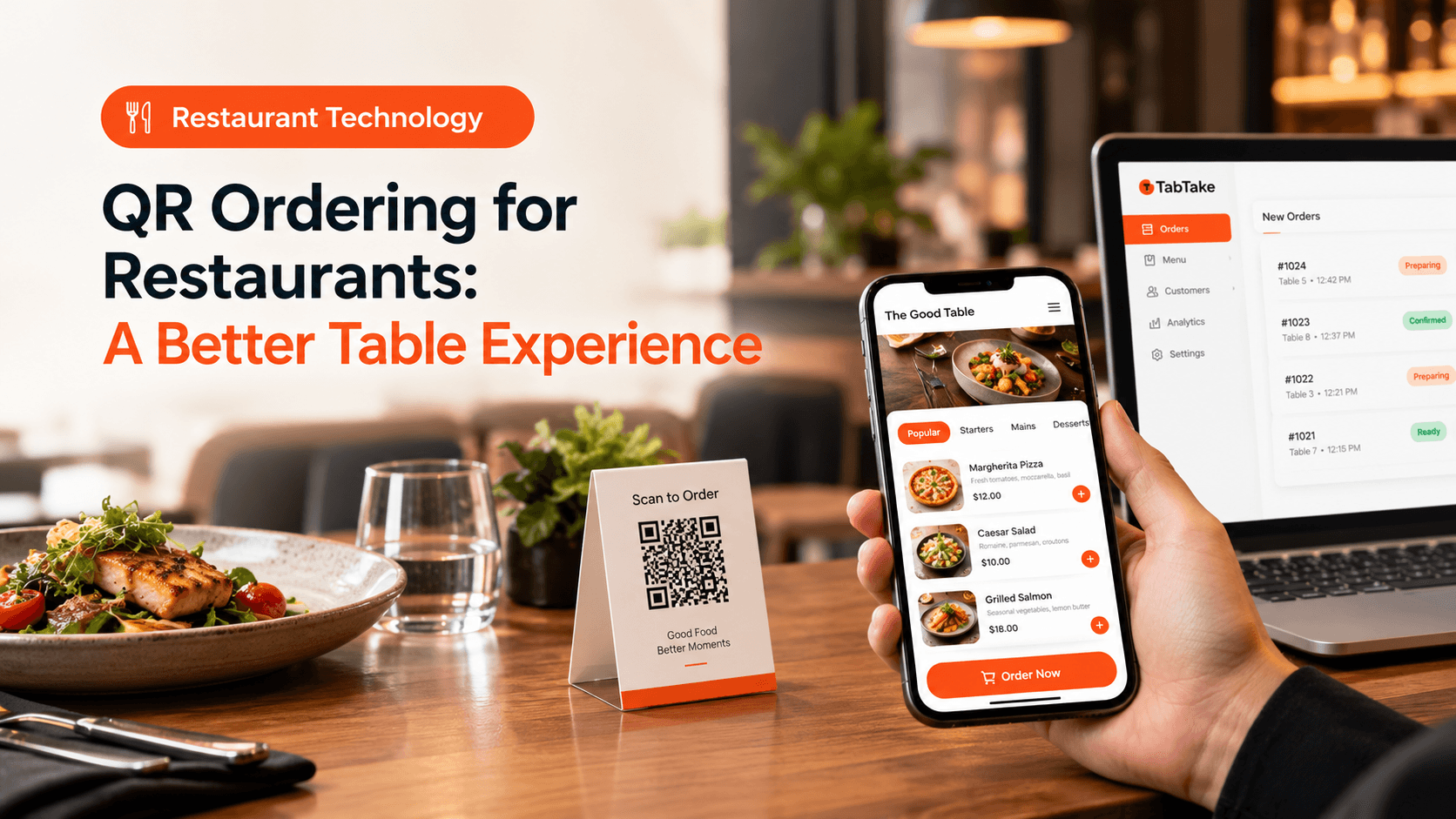
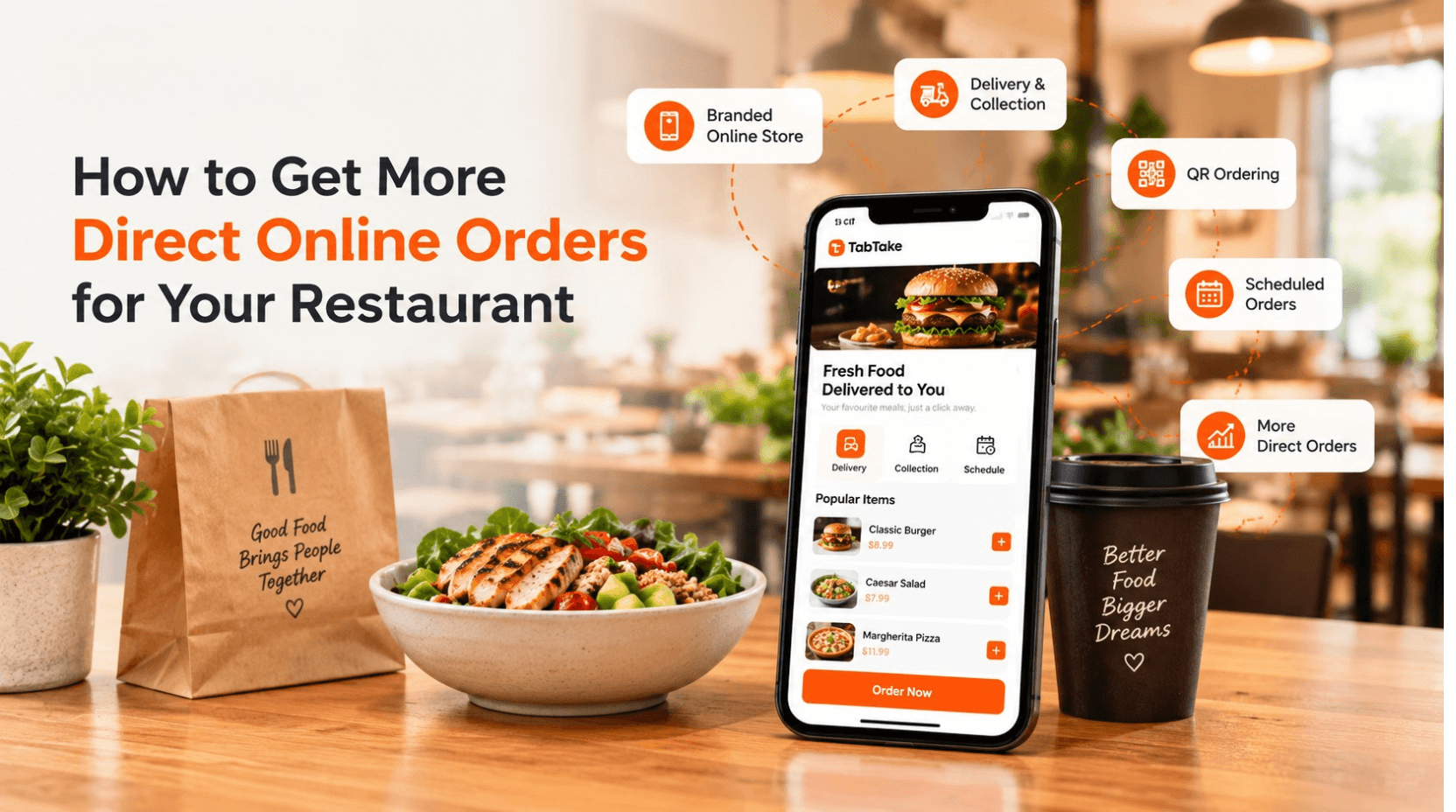
Someone may want to order directly from a restaurant website for delivery. Another customer may prefer collection. A guest sitting at a table may want to scan a QR code and order from their phone. Someone planning ahead may want to schedule an order for later.
Modern restaurant technology can bring these experiences together instead of forcing each one into a separate system.
The result is a more flexible customer journey, where convenience becomes part of the restaurant's service rather than an afterthought.
The Best Technology Also Improves What Happens Behind the Scenes
A polished customer experience depends on what happens after the customer presses Place Order.
Orders need to reach the right team. Menus need to reflect what is actually available. Kitchen staff need clear information. Delivery and collection orders need to be organised. Payments need to be processed correctly.
This is where connected restaurant technology becomes particularly valuable.
Instead of creating separate processes for online orders, table orders, delivery, and collection, restaurants can build a more connected workflow.
The customer sees a simple ordering experience.
The restaurant gets a clearer operational process behind it.
That connection is what makes technology genuinely useful.
Customer Data Can Help Restaurants Build Better Relationships
Every order tells a restaurant something.
It can reveal which products customers prefer, when demand is highest, which ordering channels are being used, and how customer behaviour changes over time.
When restaurants have access to their own ordering and customer data, they can make more informed decisions about menus, promotions, campaigns, and customer retention.
This is especially important for restaurants trying to build a direct relationship with their customers rather than depending entirely on third-party platforms.
The goal is not simply to collect more data. It is to understand customers better and use that understanding to create more relevant experiences.
Restaurant Technology Should Grow With the Business
A technology setup that works for one small restaurant may become difficult to manage when the business starts growing.
New locations may be added. Menus may become more complex. Delivery volumes may increase. More employees may need access to operational information.
That is why scalability matters when choosing restaurant technology.
A modern platform should make it easier to manage growth rather than introduce another layer of complexity every time the business expands.
For restaurants operating across multiple locations, centralised management can make a significant difference by providing greater consistency while still allowing individual locations to operate effectively.
The Future of Restaurants Is More Connected
The next generation of restaurant technology is not about replacing the restaurant experience with screens.
It is about connecting the parts of the experience that already exist.
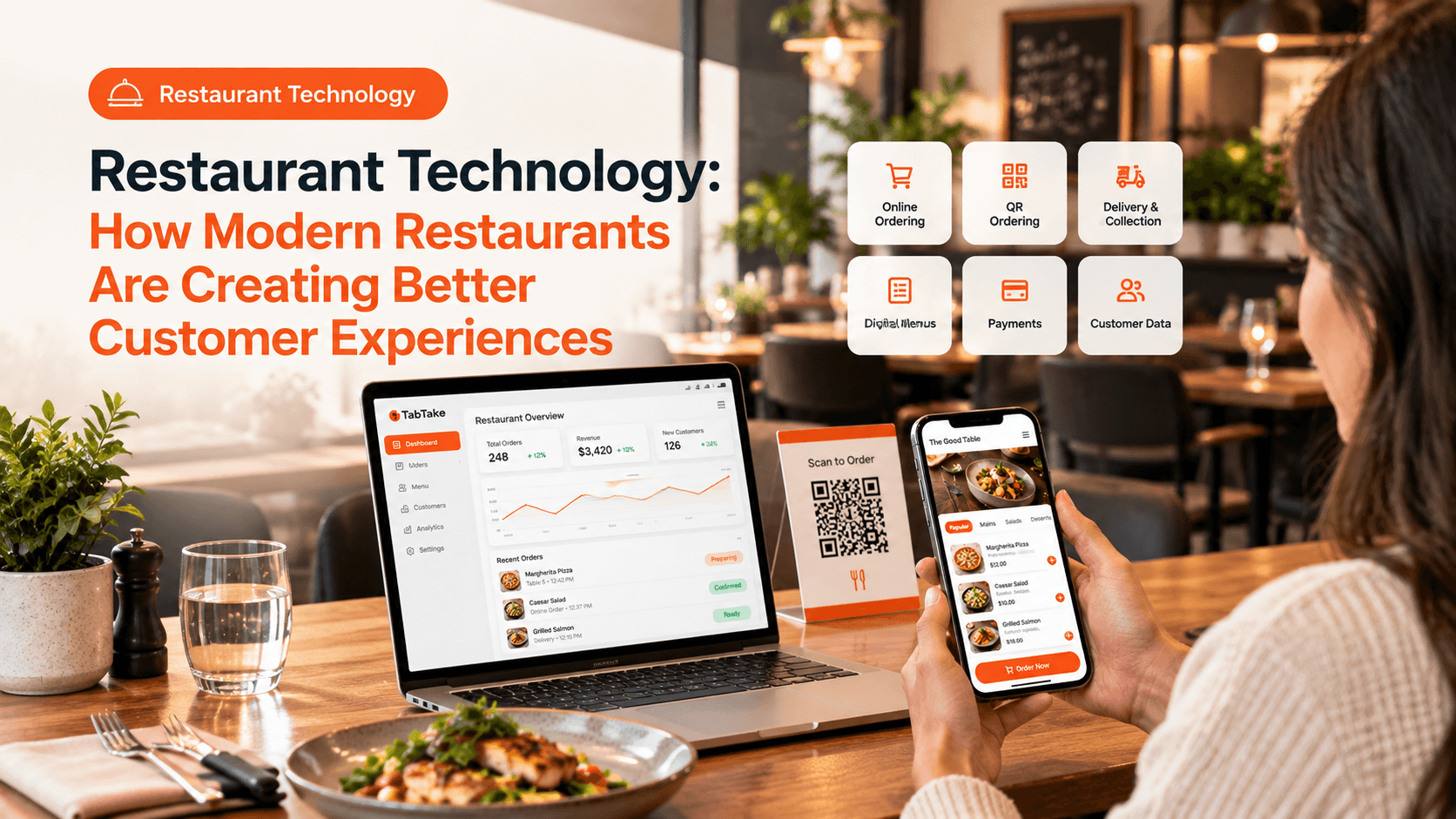
Online ordering, digital menus, QR ordering, payments, delivery, collection, customer data, analytics, and operational workflows can work together to create a smoother journey for both customers and restaurant teams.
This is the direction TabTake is built around.
With direct online ordering, digital menus, delivery and collection, QR table ordering, payments, customer tools, analytics, and restaurant operations brought together, TabTake helps restaurants create a connected digital experience without making the customer journey complicated.
Better Technology Should Feel Simpler
The best restaurant technology is often the technology customers barely notice.
They simply find the menu quickly.
They place their order without confusion.
They choose the fulfilment option that suits them.
The restaurant receives the order clearly.
The kitchen knows what needs to happen.
And the customer gets the experience they expected.
That is the real value of modern restaurant technology. It is not about adding complexity. It is about using technology to make the entire restaurant experience feel simpler, faster, and more connected.
For restaurant owners planning their next stage of growth, the question is no longer whether technology belongs in the restaurant.
The better question is whether the technology they use is helping create the experience their customers now expect.
Take the First Step Toward Your Dream Restaurant
Explore our solutions, test out live storefront themes, and see how TabTake can power your grand opening.
Take the First Step Toward Your Dream Restaurant
Explore our solutions, test out live storefront themes, and see how TabTake can power your grand opening.