A wrong side dish, missing modifier, or incorrect delivery address can turn a smooth restaurant service into a frustrating experience. Order errors can also create food waste, slow down kitchen teams, and reduce customer confidence.
The good news is that many mistakes can be reduced with clearer ordering information, consistent processes, and better communication between the front of house and kitchen.
1. Make Menu Choices Clear
Customers should understand exactly what they are ordering. Use clear item names and descriptions, show prices accurately, and make options such as sizes, toppings, and side choices easy to select.
For customizable dishes, present modifiers in a logical order. Avoid vague labels that could leave customers or staff unsure about what was requested.
2. Capture Special Requests Clearly
Order notes can help customers communicate preferences, but they should not replace structured choices for common modifications.
Where possible, use defined options for things like extra toppings, sauces, or ingredient removals. Keep free-text notes available for requests that do not fit those options, and make sure staff can see them before preparation begins.
3. Confirm the Order Before Preparation
A reliable process gives staff a chance to review the order details before it moves into preparation. Check item quantities, selected modifiers, customer notes, payment status, and whether the order is for collection or delivery.
For busy services, a consistent order-review routine can help catch mistakes before they reach the kitchen.
4. Keep Kitchen Tickets Accurate and Readable
Kitchen staff need the information that matters: the correct items, quantities, modifiers, and relevant notes.
Use a consistent ticket format and ensure orders reach the appropriate preparation station. If an order changes, make the update visible to the team preparing it rather than relying on verbal messages alone.
5. Keep Order Statuses Up to Date
Clear order stages help front-of-house staff understand what is happening and when an order is ready for handover. A shared view of new, preparing, ready, and completed orders can reduce confusion—especially when collection and delivery orders are being handled at the same time.
6. Review Mistakes and Look for Patterns
When an error occurs, record what went wrong and look for recurring causes. Are certain menu items frequently customized incorrectly? Are delivery instructions being missed? Do errors increase during peak periods?
Use these patterns to improve menu setup, staff training, and service procedures rather than treating every mistake as an isolated incident.
How TabTake Helps Restaurants Manage Orders
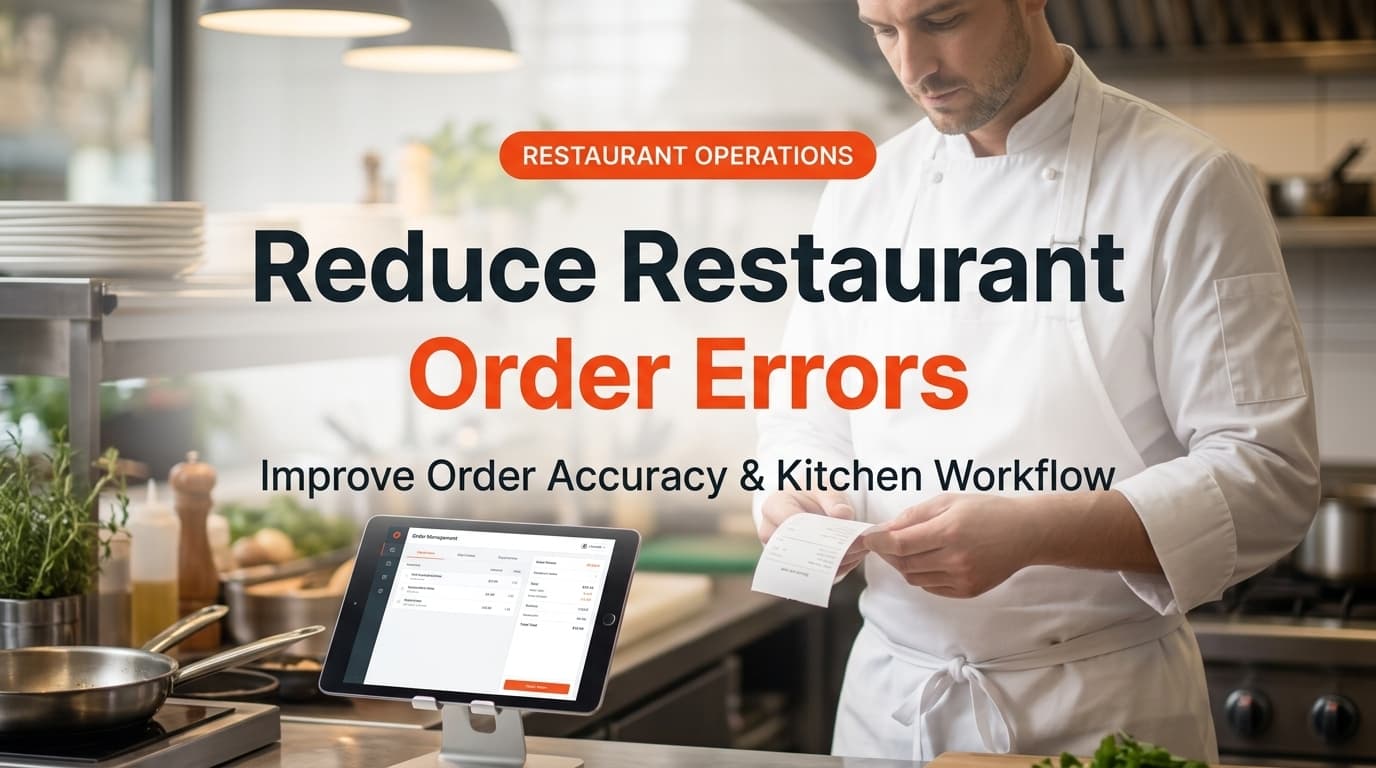
TabTake gives restaurants a central Order Dashboard for reviewing incoming orders and tracking their progress. Its online ordering tools connect customer selections with menu details and fulfilment information, while Kitchen Printing can send order tickets to the appropriate preparation station.
Keeping order details, status updates, and kitchen handover connected can help teams work from clearer information and reduce avoidable confusion.
Explore TabTake online ordering platform and Kitchen Printing to learn more.
Frequently Asked Questions
What causes restaurant order errors?
Common causes include unclear menu choices, missed modifiers, inaccurate order entry, confusing handwritten notes, and poor communication between teams.
How can restaurants prevent incorrect orders?
Make menu options clear, review order details before preparation, use readable kitchen tickets, and follow a consistent handover process.
Can online ordering reduce order mistakes?
Online ordering can reduce some manual entry errors by capturing customer selections digitally, but restaurants still need accurate menus and reliable kitchen workflows.