Every restaurant generates useful information through its daily orders. What customers buy, when they order, how much they spend, and whether they return can reveal opportunities to improve operations and grow revenue.
Restaurant order data helps owners move beyond guesswork and make decisions based on actual customer behavior.
1. Identify Your Most Popular Menu Items
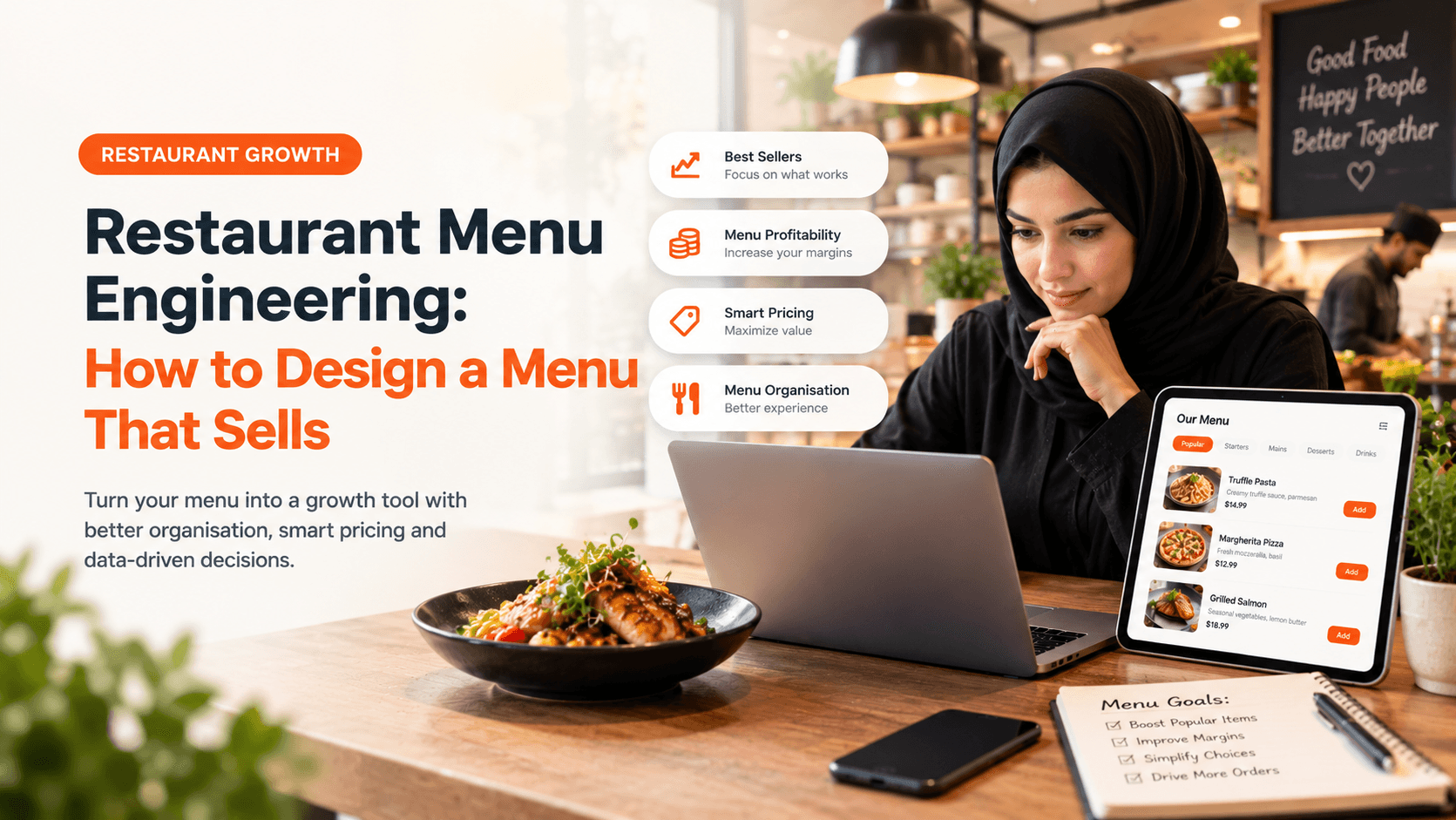
Review which dishes customers order most frequently and which products contribute meaningfully to sales. These insights can help you decide what to feature, promote, or review on your menu.
Popularity alone does not determine profitability, so combine order trends with ingredient costs and preparation requirements before making major menu decisions.
2. Understand When Customers Place Orders
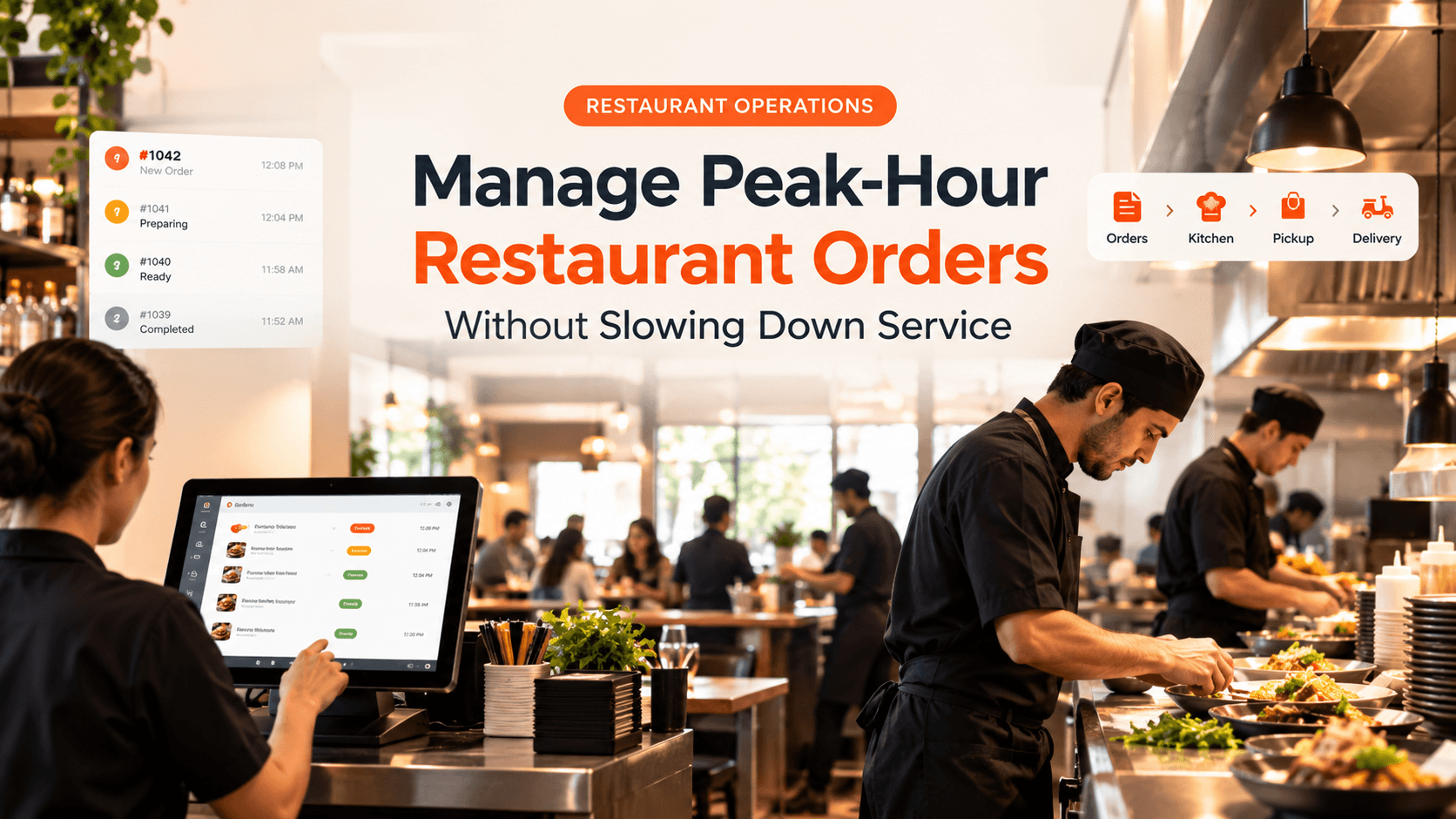
Ordering patterns can reveal busy periods across different days and times. Use this information to plan staff coverage, prepare for demand, and identify quieter periods when a targeted promotion may help attract additional orders.
Compare trends over consistent time periods to avoid making decisions based on a single unusually busy or quiet day.
3. Learn What Encourages Repeat Orders
New customers and returning customers can behave differently. Understanding order frequency, customer preferences, and average order value helps restaurants identify opportunities to strengthen customer relationships.
For example, a restaurant may use these insights to design relevant promotions or improve its loyalty strategy rather than sending the same offer to everyone.
4. Compare Ordering Channels and Locations
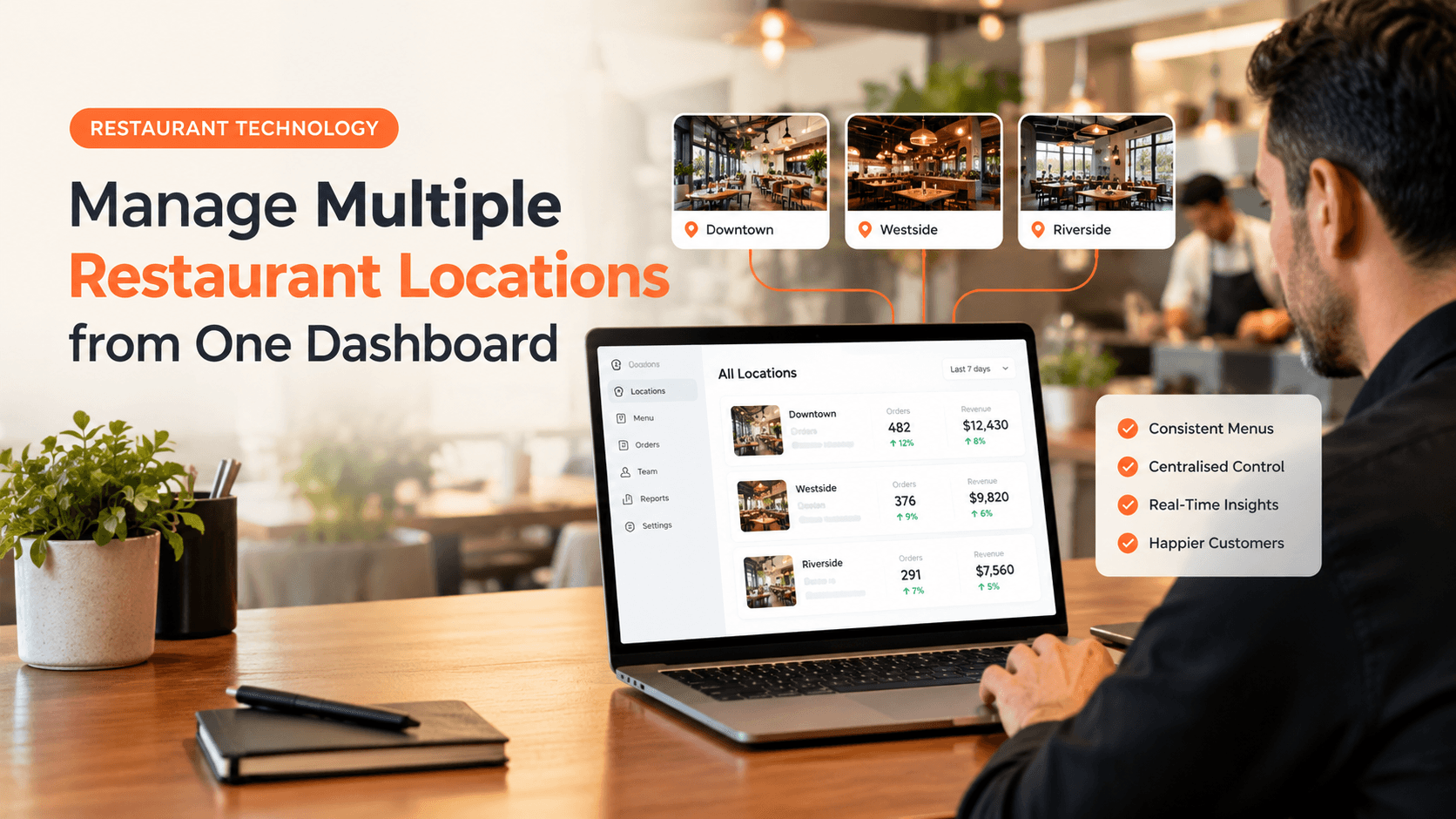
Customers may prefer online ordering, delivery, collection, or QR table ordering depending on the restaurant and occasion. Comparing supported channel and location data helps operators understand where demand is coming from and where improvements may be needed.
Look for meaningful patterns before changing pricing, promotions, or operational processes.
How TabTake Helps Restaurants Understand Customer Behavior
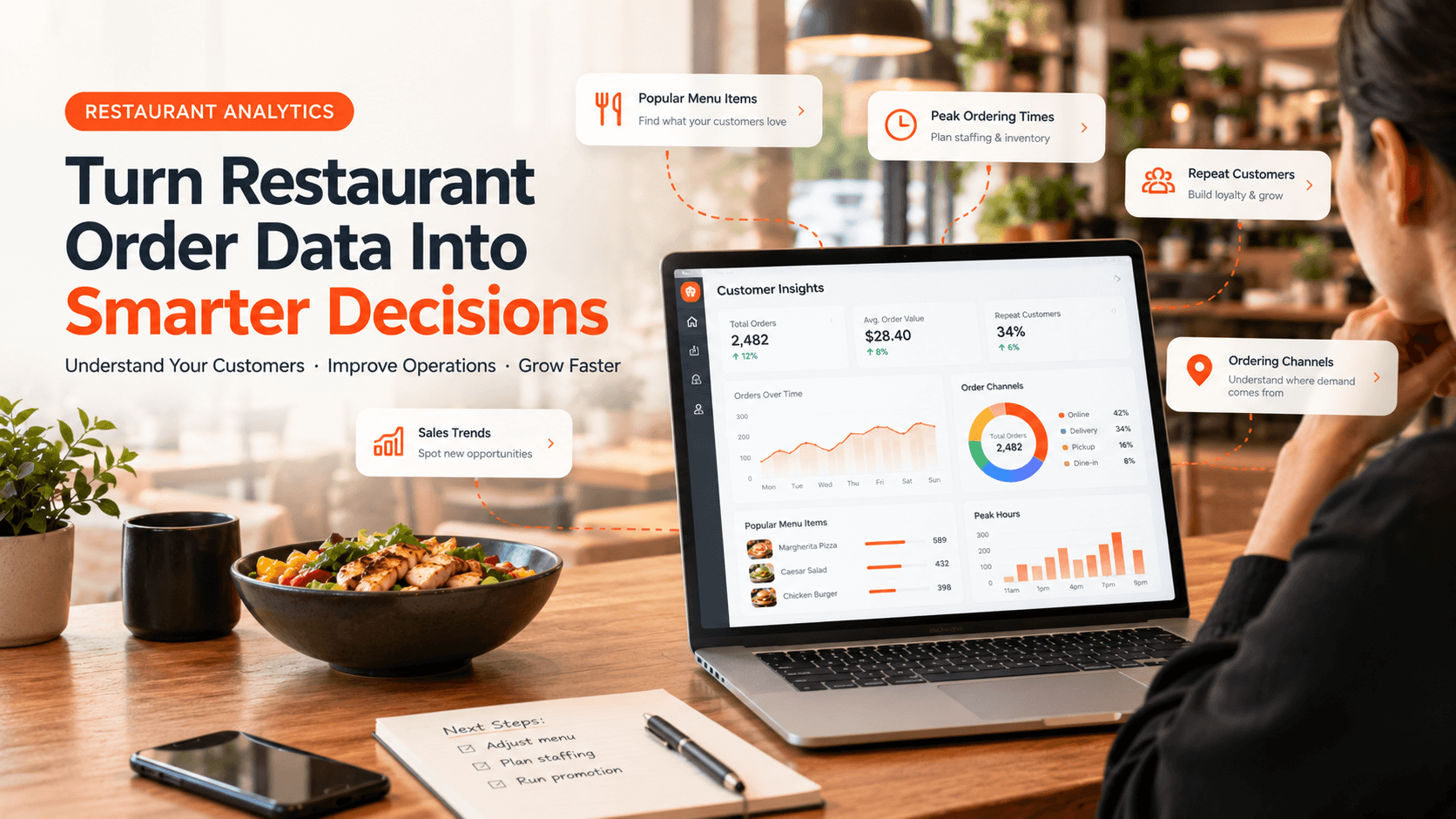
TabTake's Customer Analytics brings supported ordering and customer activity into a connected view. Restaurants can review indicators such as customer frequency, average order value, product preferences, ordering channels, peak times, and activity across locations.
These insights give restaurant teams a practical starting point for evaluating customer behavior, planning promotions, and identifying opportunities to improve the ordering experience.
Turn Data Into Action
Collecting data is only the first step. The real value comes from asking useful questions, reviewing trends regularly, and testing improvements.
Start with one goal—such as increasing repeat orders or understanding popular products. Review the relevant data, make a focused change, and measure the result over time.
With a more informed approach, restaurants can make clearer decisions about their menus, customers, and growth strategy.
Explore TabTake Customer Analytics to understand your customers and turn supported ordering data into actionable business insights.